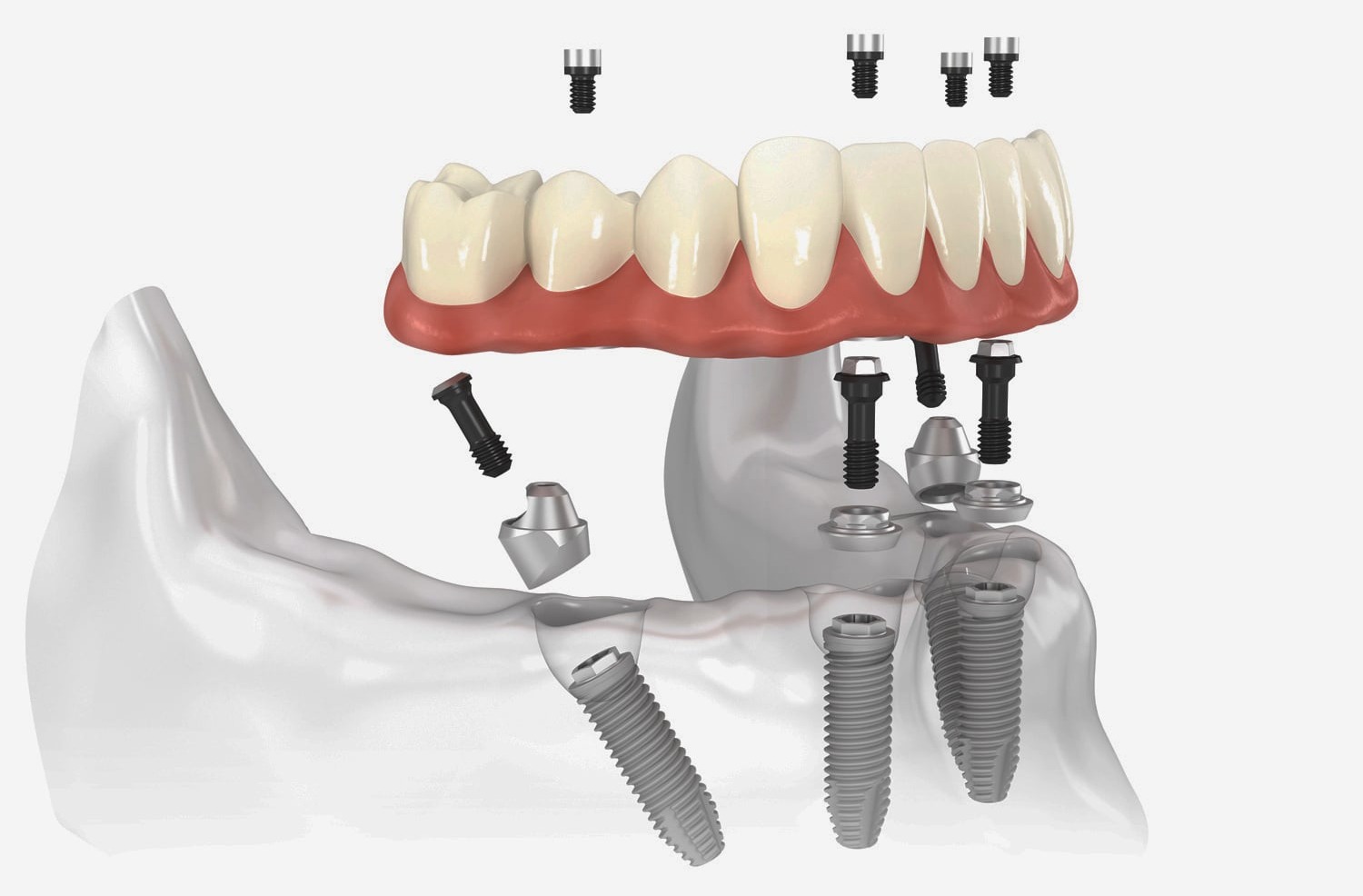
FAQ about implants
In some patients, the quantity or quality of available bone is not sufficient for the planned placement of implants.
In such cases, additional procedures, such as bone augmentation or sinus lift, may be considered when indicated. In other cases, it is possible to plan implants based on existing bone, without the need for these procedures.
The decision is made after a clinical examination and appropriate radiological analysis.
Additional surgical procedures may affect the duration of therapy and its overall cost.
1. Examination and consultation
We discuss your needs, health status, expectations and possible therapeutic solutions.
2. Diagnostics and planning
We analyze the clinical findings and relevant radiological documentation. When indicated, 3D CBCT analysis is used to assess anatomical conditions.
3. Surgical phase
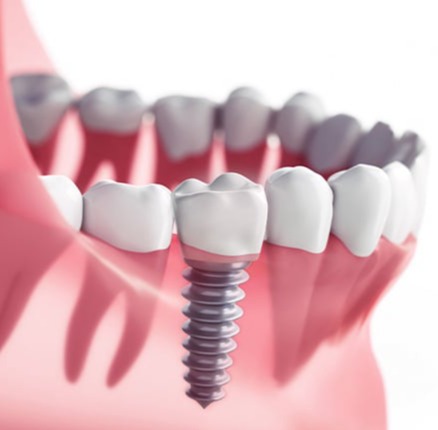
Implants are placed in accordance with the individual treatment plan.
4. Temporary restoration
When clinical conditions allow, temporary teeth can be placed in the early phase of treatment. In other cases, it is necessary to wait for adequate healing.
5. Definitive prosthetic work
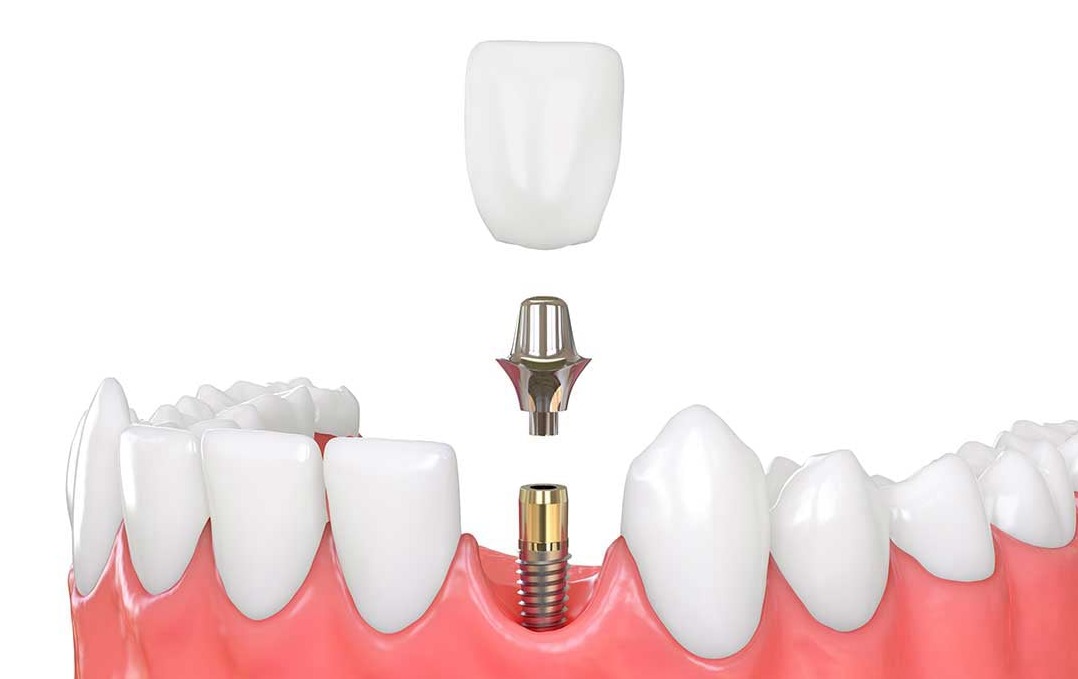
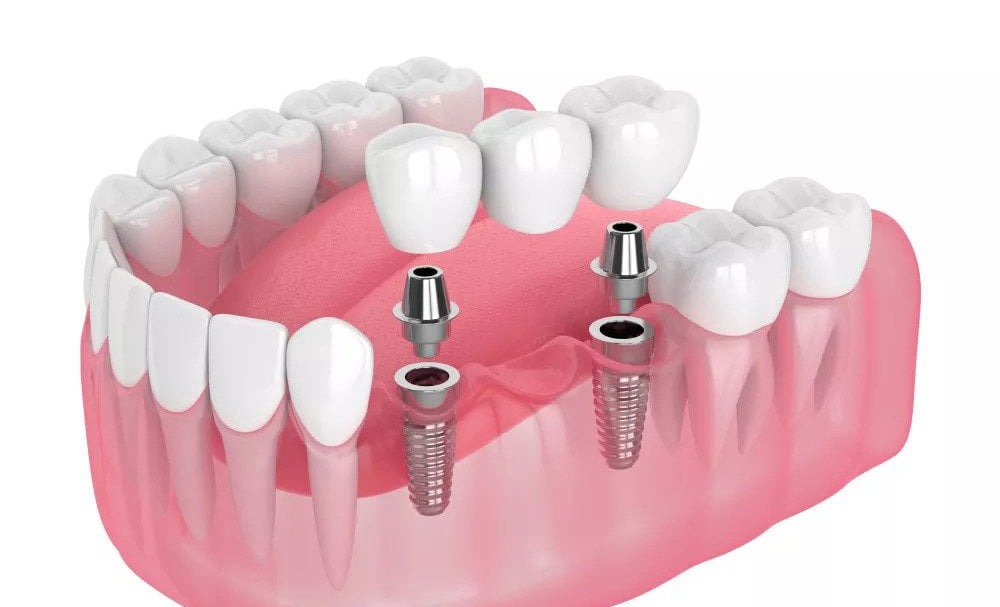
After assessing the healing and stability of the implant, a definitive crown or bridge is fabricated and placed.
6. Controls and maintenance
Regular controls and proper hygiene are important for the long-term preservation of the implant and surrounding tissues.
Specialist approach
Implantology planning with experience in oral surgery.
Digital diagnostics
Use of modern diagnostic and digital procedures.
Individual therapy plan
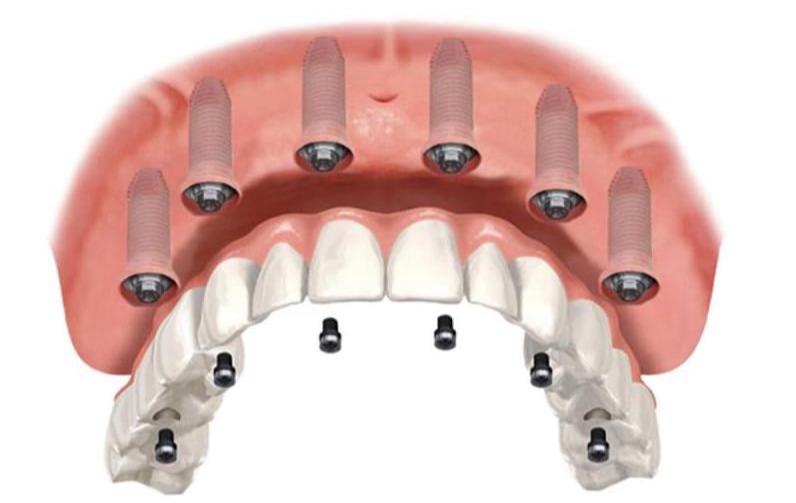
Choice of solution according to clinical findings, not according to a predetermined number of implants.
Transparent cost assessment
Explanation of therapy phases and costs before treatment begins.